Description
Network science studies systems of interconnected entities whose collective behavior often emerges in complex, adaptive, and unpredictable ways. As the field increasingly engages with data-rich, socially embedded, and policy-relevant domains, it raises distinctive ethical questions that do not always fit neatly within traditional frameworks. Issues such as distributed responsibility, emergent harm, data sensitivity, and the societal impacts of modeling and intervention require careful reflection within the research community.
This half-day satellite aims to create space for the Network Science community to engage in an open dialogue about the ethical dimensions of research, teaching, and practice. Through keynote talks, interactive discussions, and community contributions, participants will share experiences, identify challenges, and explore practical approaches to conducting responsible and socially informed network science.
Time/Place: Tuesday, June 2, 2026 2:30-6:00 PM · Boston, MA · (room TBD)
Format: Keynote + Panel + Interactive Breakout Discussions + Lightning Talks
Call for Submissions
Flash Talks
Deadline: May 5th, 2026
We invite submissions for short flash talks (5 minutes) on ethical questions, challenges, and experiences related to network science research, teaching, and practice. The goal of this session is to create space for community members to share perspectives on the ethical dimensions of their work, broadly construed. Flash talks may present work in progress, case studies, teaching experiences, methodological reflections, or open questions related to responsible research in network science. To submit, please provide a title and short abstract via the form below. Talks will be selected by the organizers to ensure a diverse range of topics and perspectives.
For questions, please email the organizers.
Schedule
| Time | Session |
|---|---|
| 2:30–2:40 | Welcome & Introduction |
| 2:40–3:15 | Keynote: Dr. John Basl |
| 3:15–3:50 | Keynote: Dr. Juniper Lovato |
| 3:50–4:00 | Interactive Activity #1 |
| 4:00–4:30 | Coffee Break |
| 4:30–4:45 | Lightning Talks Anne Kavalerchik, “What is a case? Clarifying universality in network research” Mackay Price, “From Ethical Principles to Ethical Practice: The Politics of Network Science” Sagar Kumar, “The Right to Meaning” |
| 4:45–5:15 | Interactive Activity #2 |
| 5:15–6:00 | Panel Discussion Dr. John Basl · Dr. Juniper Lovato · Dr. Akrati Saxena · Dr. Sam Scarpino |
| 6:00–6:15 | Closing Remarks |
Speakers
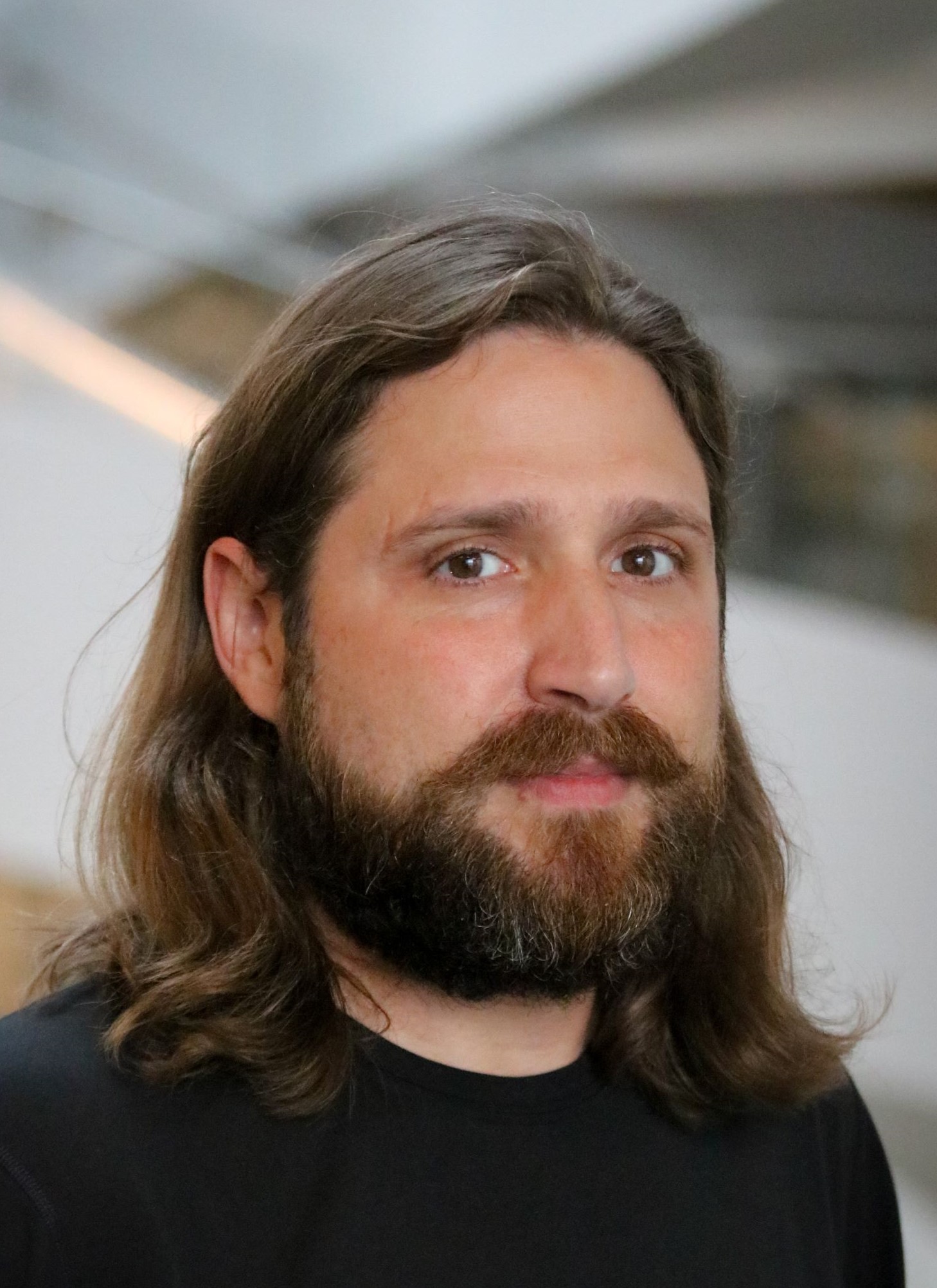
Keynote & Panelist: Dr. John Basl
Northeastern University
Talk: Building Ethics Ecosystems: Why? What? How?
Abstract: In response to continued ethical lapses, failures, gaps, and uncertainty in emerging technological spaces, there are continued calls for more interdisciplinary, collaborative, participatory ethics research and the adoption of ethics tools from existing domains. This talk argues that the most important lesson we can draw from other areas is that ethical issues are best managed by the cultivation of ethics ecosystems: sets of coordinated components that distribute the work of promoting and protecting foundational values in a structured way. This talk motivates the value of such ecosystems, their key components, and some important concepts and examples relevant to building these ecosystems.
Bio: John Basl is an Associate Professor of Philosophy at Northeastern University, the College of Social Sciences and Humanities Dean's Leadership Fellow for AI & Data Ethics, and an Associate Director of the Northeastern Ethics Institute where he leads AI & Data Ethics Initiatives. He works in and teaches AI ethics and moral philosophy. He is ethics co-lead of the National Internet Observatory and co-lead of the AI + Data Ethics Summer Graduate Training Program (AIDE Summer).
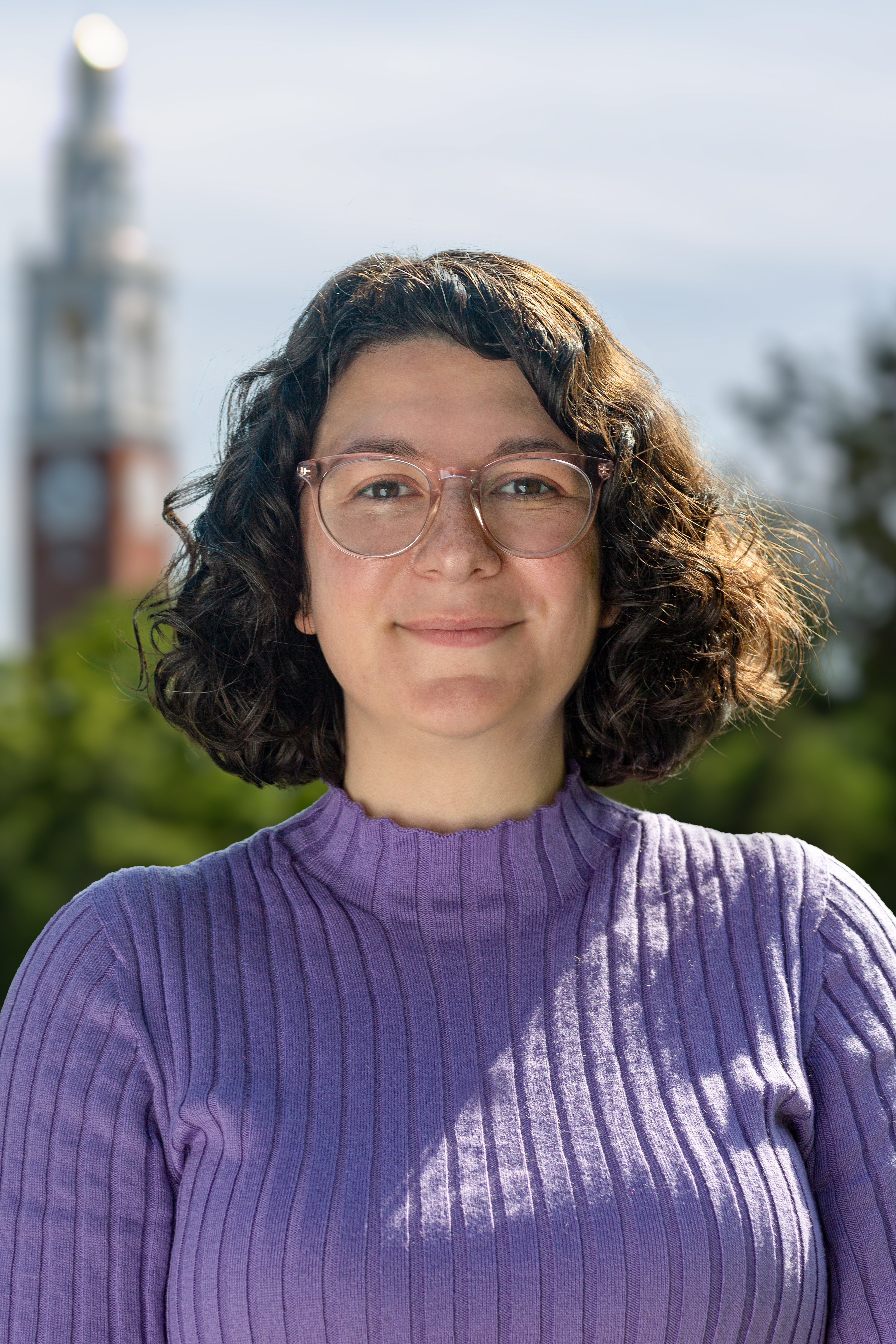
Keynote & Panelist: Dr. Juniper Lovato
University of Vermont
Talk: Who Consented to This? Ethics Across the Network Research Lifecycle
Abstract: Network science in human systems is not ethically neutral. From the moment we define a node, to how we collect ties, analyze structure, share data, and deploy findings, every methodological choice carries ethical weight, often for people who never knew they were in a study. This talk takes a lifecycle approach to ethics in network research, moving through four stages where things can go wrong (and right): data collection and consent, analysis and presentation, data sharing, and experimental interventions. Drawing on case studies, we examine how the distributed nature of network data strains individual consent models, how re-identification risks persist even in anonymized networks, how open science and privacy can conflict, and how social challenge studies expose participants to harms that lack standardized ethical frameworks. The goal of this talk is to build a shared intuition about what ethical network science looks like and what it asks of us.
Bio: Juniper Lovato is an Assistant Professor of Computer Science at the University of Vermont and a member of the Vermont Complex Systems Institute, where she leads the Computational Ethics Lab. She is also an External Faculty at the Complexity Science Hub in Vienna. Her research spans the ethics and governance of data, AI, and technology, with a focus on fairness, accountability, transparency, and the science of stories. Drawing on methods from computational social science, natural language processing, network science, and complex systems, she studies how sociotechnical systems, composed of humans and technologies, mutually shape one another, influencing human values, institutions, and narratives.
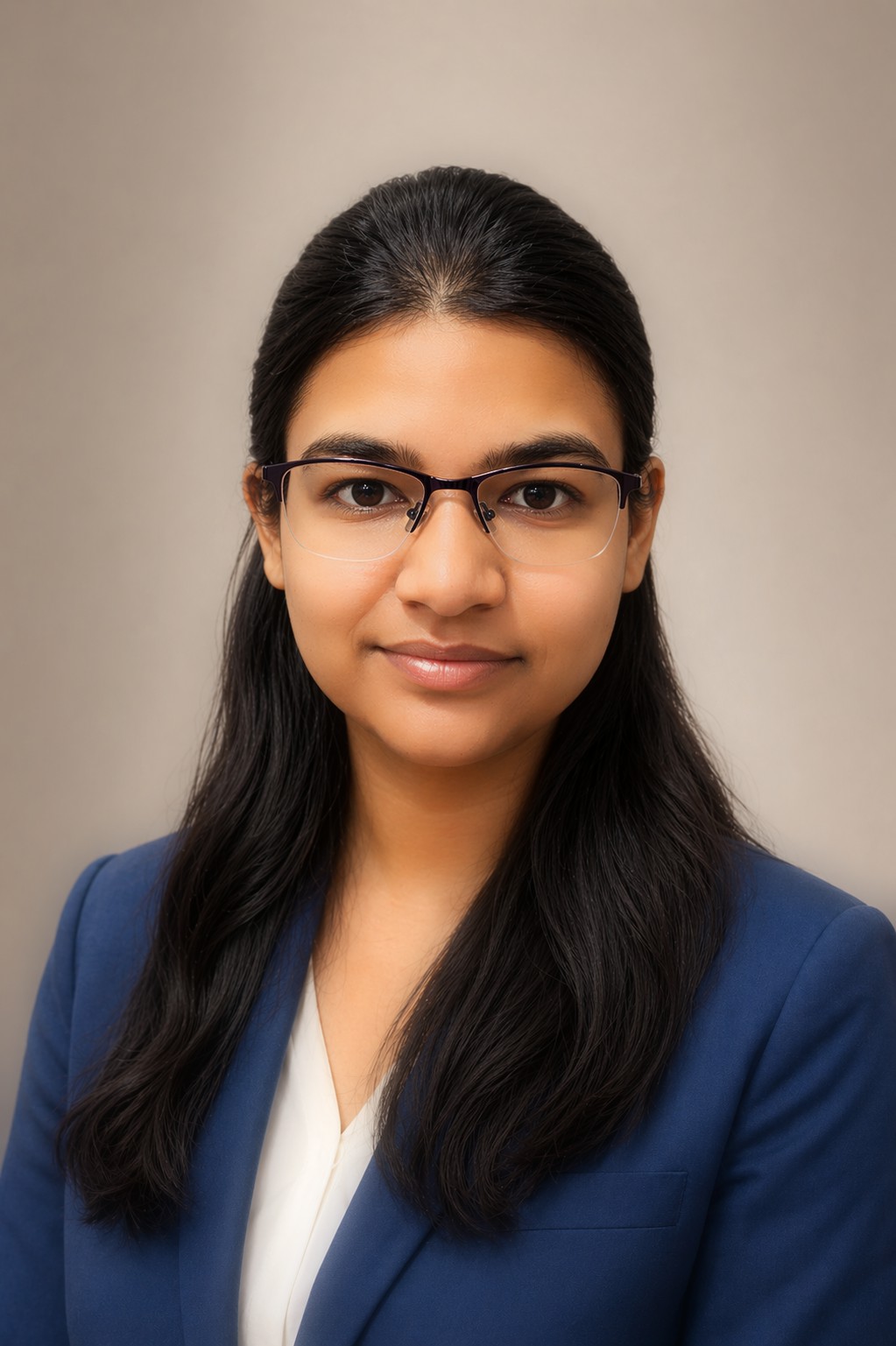
Panelist: Dr. Akrati Saxena
Leiden University, University of Victoria
Bio: Dr. Akrati Saxena is an Assistant Professor at the Leiden Institute of Advanced Computer Science, Leiden University, and an Adjunct Professor at the University of Victoria, Canada. Her research lies at the intersection of social network analysis, complex networks, computational social science, data science, and algorithmic fairness. She established and leads the AlFa research group, which focuses on understanding structural inequalities in complex networks and advancing fairness-aware algorithms in network and data science, including analyzing biases in existing systems, defining fairness constraints and evaluation metrics, and designing fair computational frameworks. The AlFa group has developed fairness-aware heuristic, approximation, machine learning, and deep learning-based methods for downstream network analysis tasks, such as link prediction, community detection, and influence modeling, and has also recently focused on reproducibility in computational research. She is actively building a research community around algorithmic fairness in network science and has organized several satellite events, thematic sessions, and tutorials to support this effort. She is an Associate Editor for SNAM and the PLOS Complex Systems journals. In addition to her research, she serves on the Diversity Committee at LIACS, contributing to initiatives that foster inclusion and equity within the academic community.
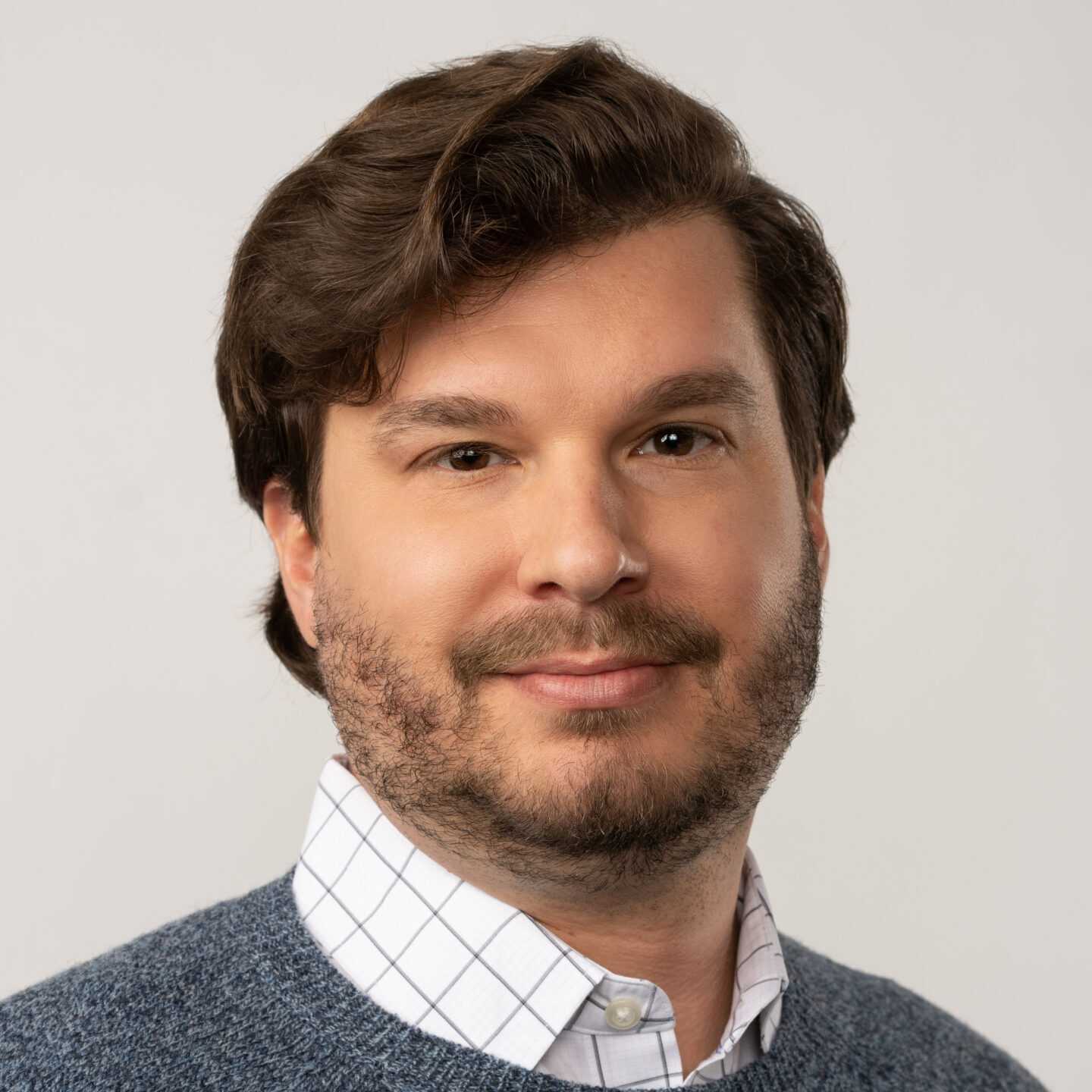
Panelist: Dr. Sam Scarpino
Northeastern University
Bio: Samuel V. Scarpino, PhD, is a Professor of Health Sciences and Computer Sciences and the Director of AI + Life Sciences in the Institute for Experiential AI at Northeastern University. He has over 15 years of experience translating research into decision-support and AI tools across diverse sectors, from biosecurity and public health to clinical medicine and energy, holding a patented machine learning method for geospatial prediction of energy reserves. Scarpino is the cofounder of two startups—one focused on AI for drug discovery and forecasting water quality and availability—and also of Global.health, an international consortium building technology to prevent pandemics. He previously served as Chief Strategy Officer and Head of Data Science at Dharma Platform, a social impact tech startup backed by TPG's Rise Fund. Scarpino has authored more than 100 academic publications, which have been cited over 12,000 times. His publications have appeared in world-leading journals including Nature, Science, Nature Medicine, Proceedings of the National Academy of Sciences, Clinical Infectious Diseases, and Nature Physics. Scarpino's research has been funded by organizations including the NSF, CDC, Gates Foundation, Wellcome Trust, The Rockefeller Foundation, Patrick J. McGovern Foundation, and numerous for-profit companies (including startups and Fortune 500s). The New York Times, Wired, the Boston Globe, National Geographic, and numerous other venues have covered his findings. Scarpino has given keynote addresses and invited lectures on technology and biosecurity at hundreds of international conferences and public events, including the US National Academies, Los Alamos National Labs, ACM SIGKDD, HL7 International, and Google. He is a regular presence in the news, providing hundreds of interviews on AI, health, and technology to outlets such as Good Morning America, The Wall Street Journal, Fox News, the Washington Post, Bloomberg, Forbes, Vice News, and NPR. He was an Expert Network Member of the World Economic Forum, an Expert Advisory Council Member for Data.org, and a member of the MA Governor’s AI Working Group on Life Sciences. Scarpino is an External Professor at the Santa Fe Institute and previously served as Vice President of Pathogen Surveillance at The Rockefeller Foundation. He was a Santa Fe Institute Omidyar Postdoctoral Fellow and earned his PhD from the University of Texas at Austin.
Organizers
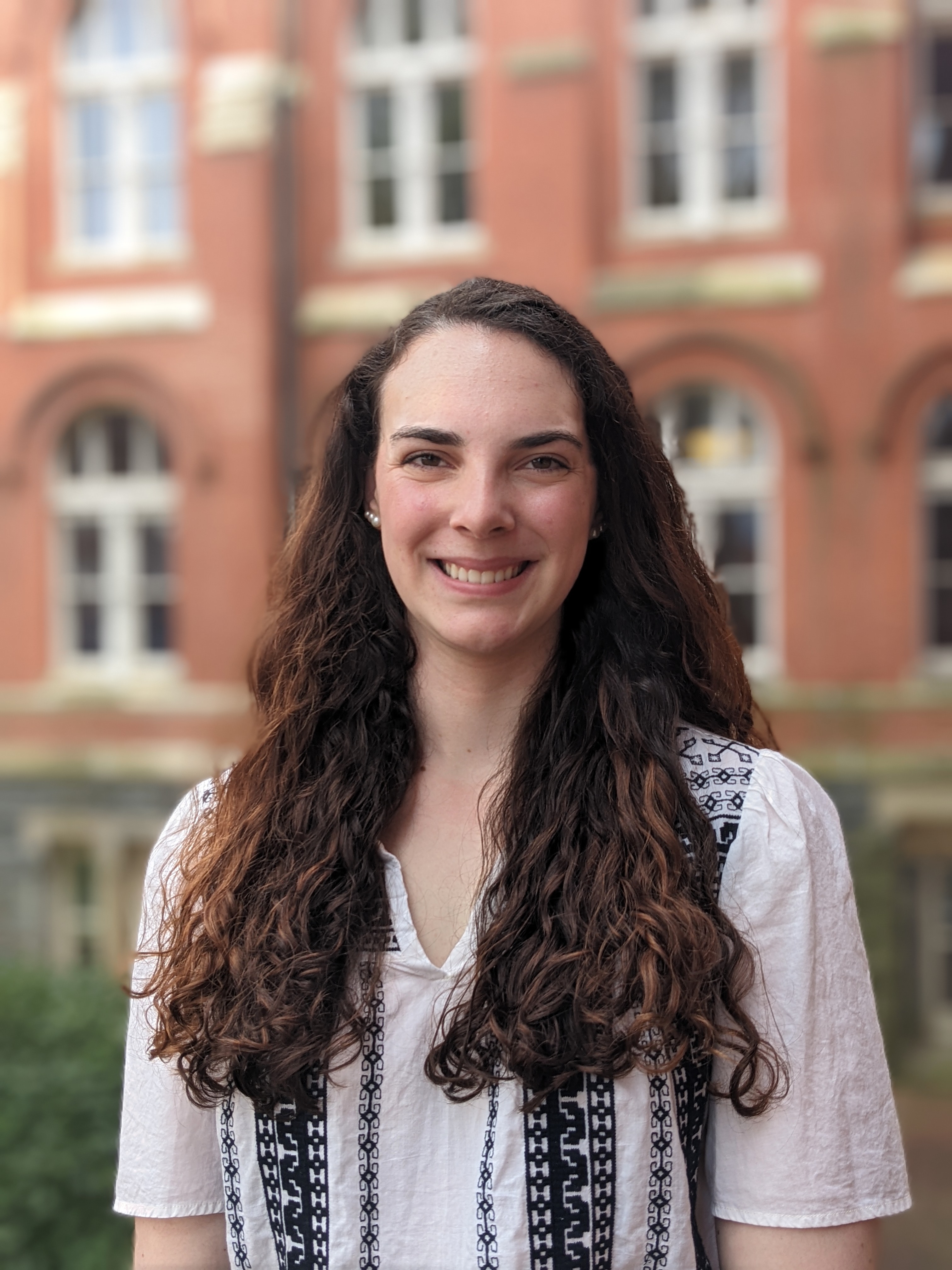
Samantha Dies
Northeastern University (USA)
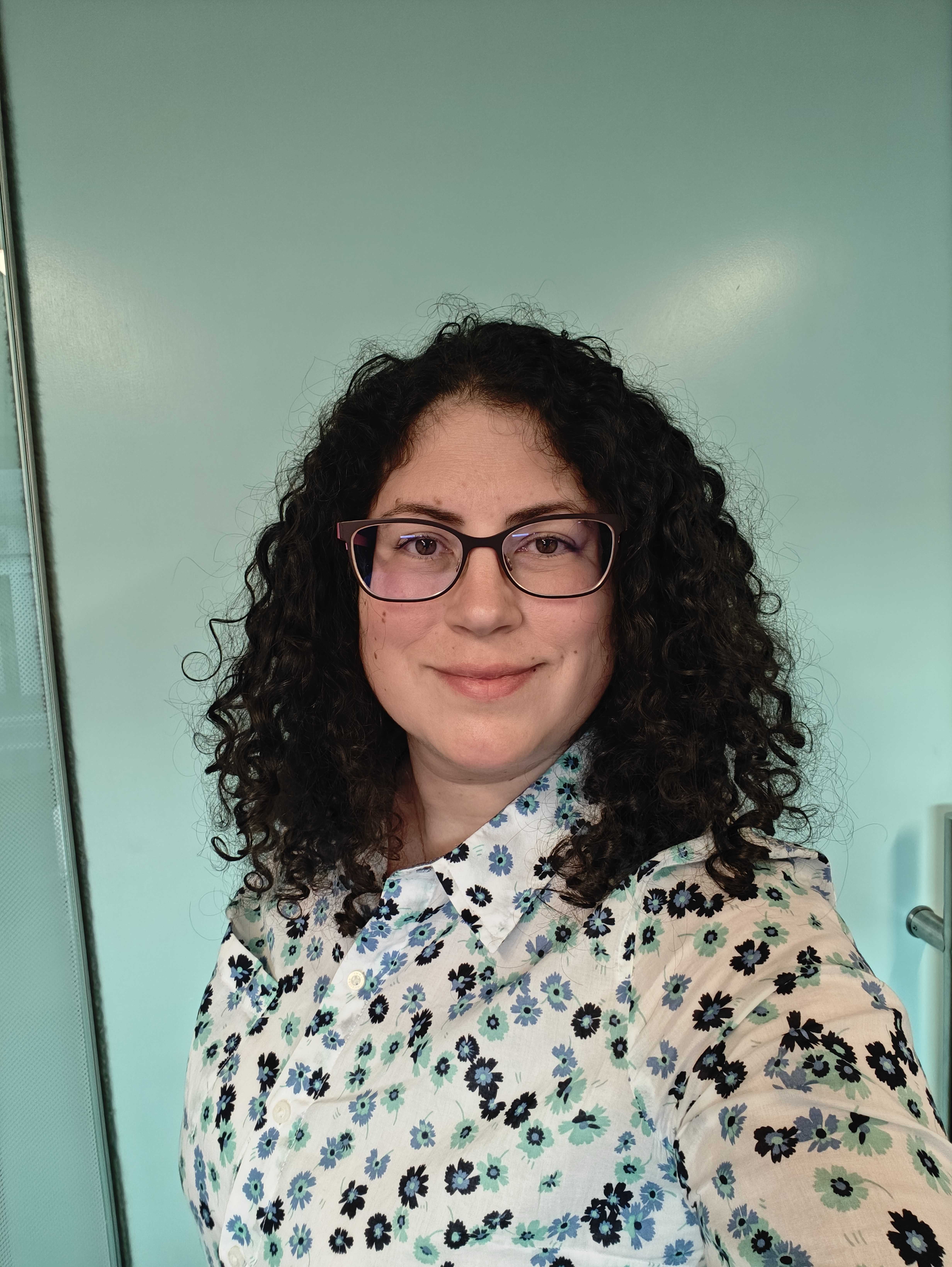
Evelyn Panagakou
Northeastern University (USA)
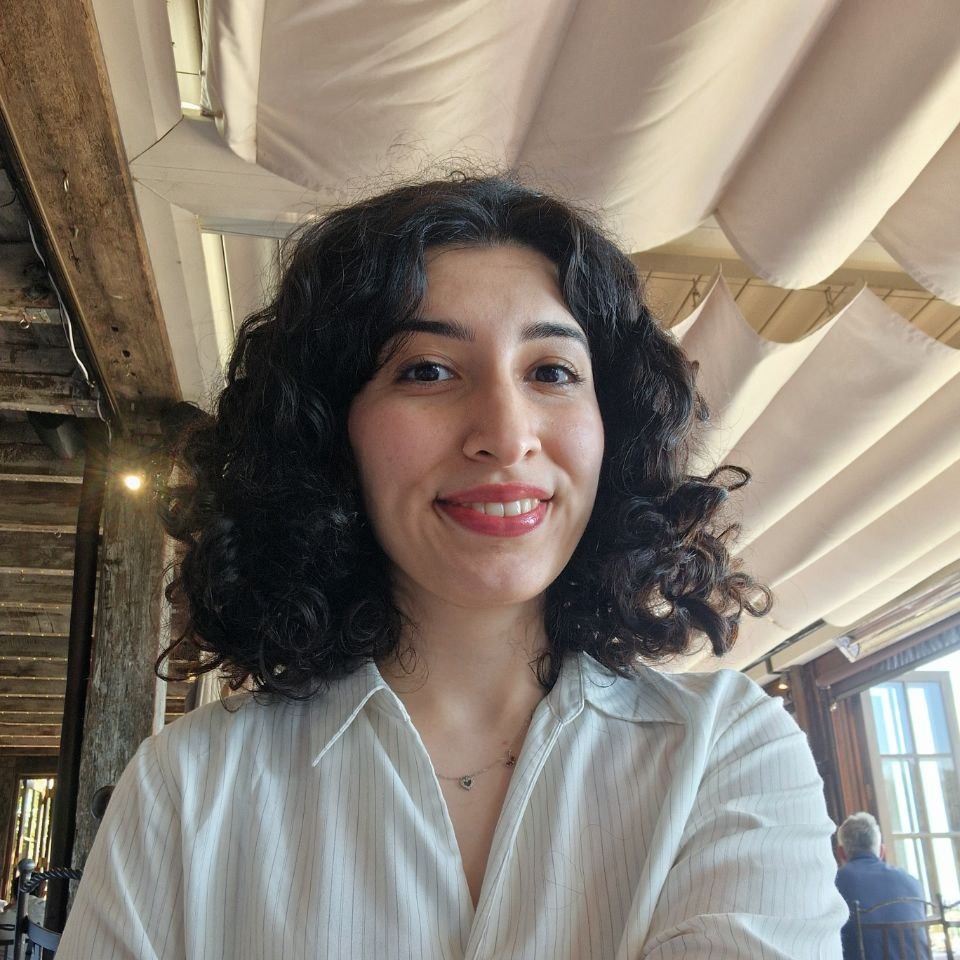
Yasaman Asgari
University of Zurich (Switzerland)
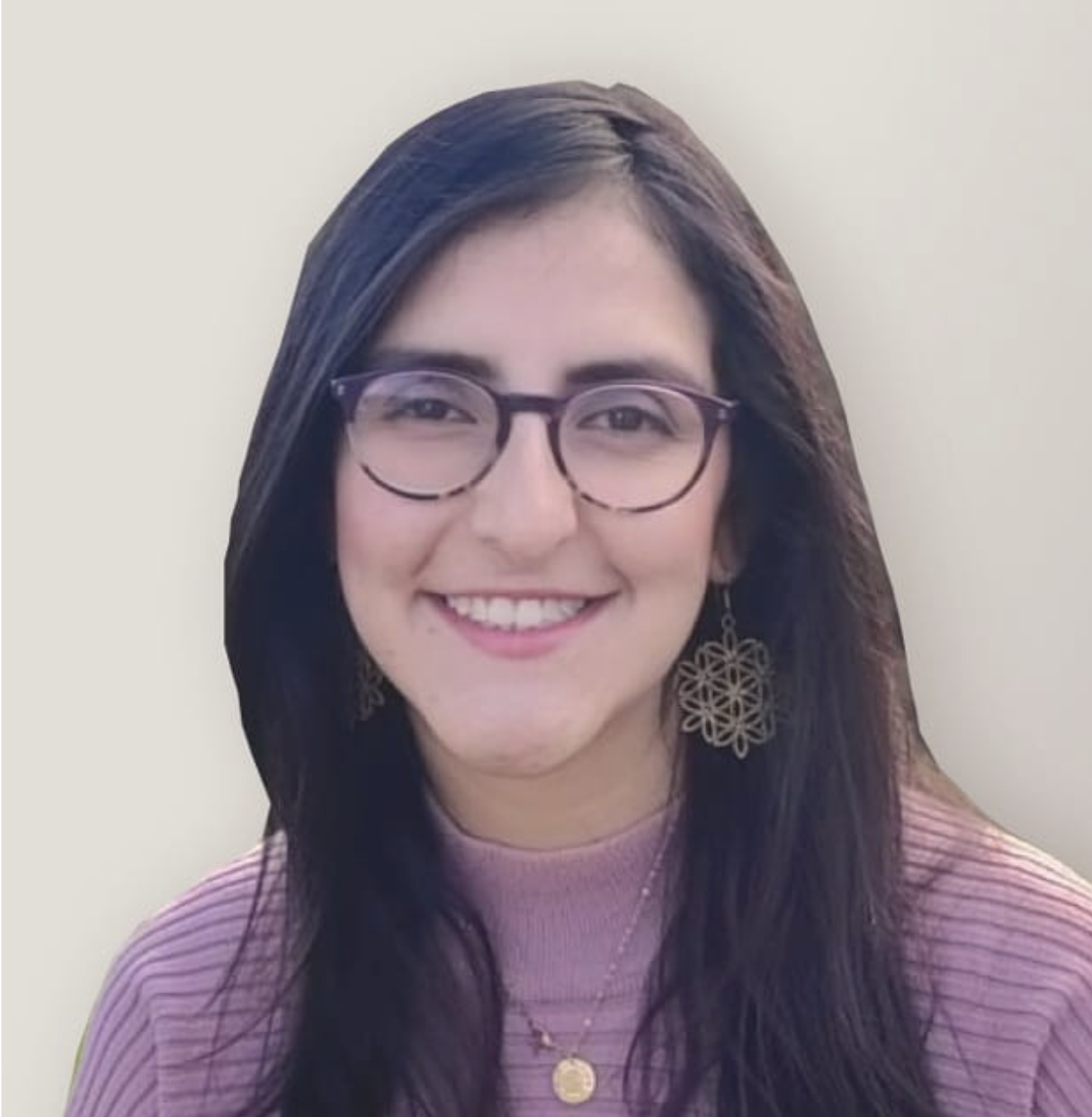
Ana Maria Jaramillo
TU Graz and the Complexity Science Hub Vienna (Austria)
Ana Maria de Sousa Leitão
University of Lisbon (Portugal)
Gabriele Di Bona
CNRS (France) and SONY CSL (Italy)